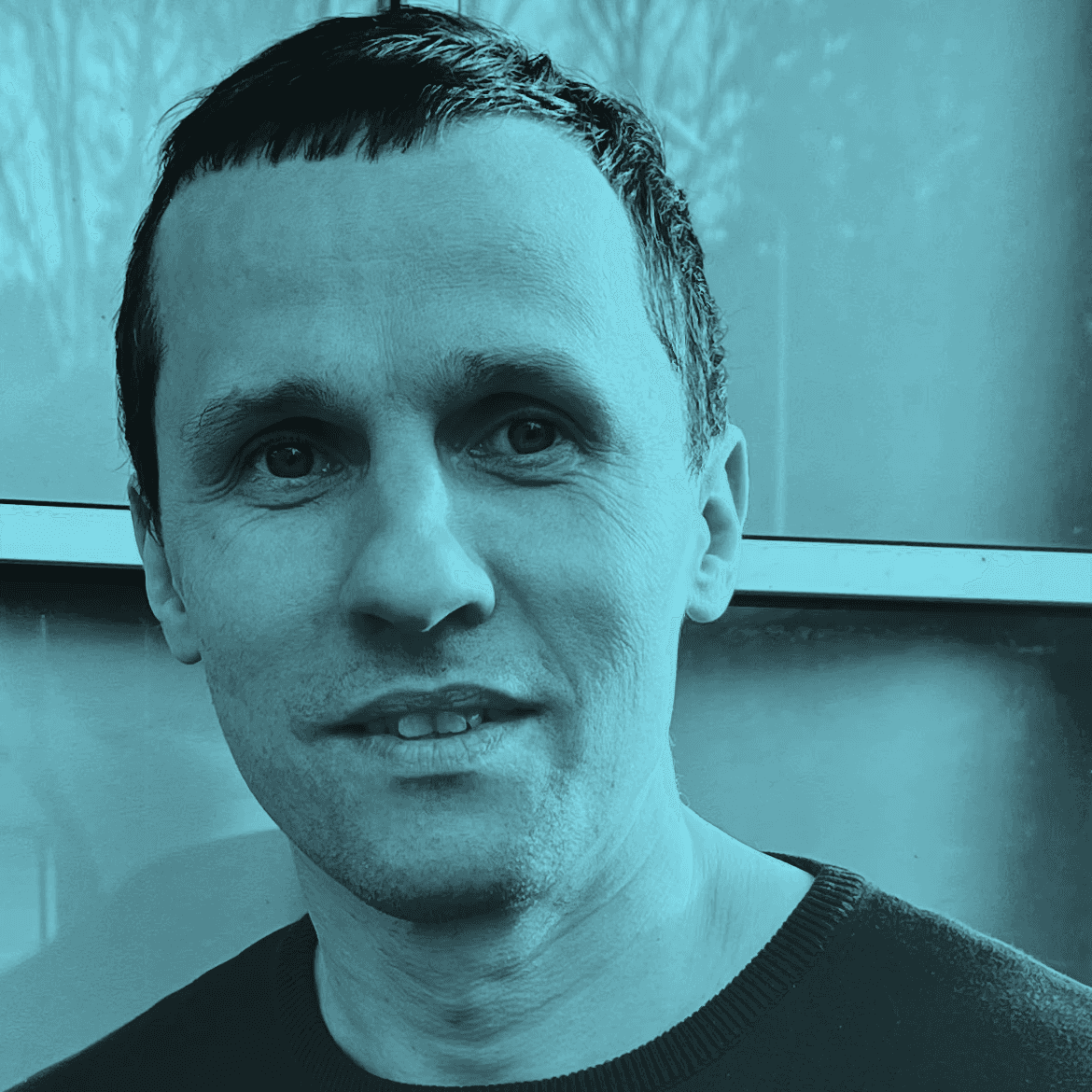
Gleb Filonskii
•
Existential therapy as a path to understanding oneself in-the-world-with-others is not always easy but liberating
Types of Issues I Work With
Crisis of Meaninglessness
Anxious Experiences
Decision-Making Problems
Traumatic Experiences
Restricting Feelings of Guilt and Shame
Sensation of Isolation and Loneliness
Internal and Interpersonal Conflicts
Support for Severe, Chronic, and Terminal Illnesses
Biography
After graduating in 2016 from the Faculty of Medicine at Volgograd State Medical University, completing clinical residency in psychiatry while simultaneously working at the department and later in clinics in Saint Petersburg, I gradually realized a personal need for a deeper, existential perspective not only on states clinically related to mental health, but also on human existence in the broadest sense, particularly the inevitable philosophical challenges it entails.
The completion of a professional retraining program at the Bekhterev Institute in psychotherapy in 2019 and further training in existential therapy at the N.P. Bekhtereva Training Center in 2020, alongside personal encounters with colleagues who already had significant experience in existential therapy and counseling, proved to be the most significant steps in my professional development. Since then, private practice, co-organizing and participating in psychotherapeutic, public educational, and art projects in Russia, as well as participating in independent research, teaching, and later organizing educational processes at the N.P. Bekhterev Training Center until 2025 have been truly a fertile ground for my personal and professional strengthening in existential worldview.
In 2022, I moved to Buenos Aires, where I continue to work in-person and online worldwide. In my practice, I pay special attention to maintaining personal openness to the diversity and variability of people, their perspectives, preferences, and expectations from our collaborative work.
In working with clients, I also take into account my personal biases and the limitations of my professional beliefs and counseling style. It is not only that the specifics of existential therapy might not suit everyone who comes into therapy, but also its inherent practical variety, influenced by the philosophical and theoretical foundations of different schools and traditions, through the lens of its representatives' personal worldview.
A pluralistic approach, which I share an interest in alongside attention to non-specific factors of therapy effectiveness, suggests that different clients need different forms of help at different times, and the best way to understand what a specific client needs is to ask them directly. Thus, in my practice, I adhere to the framework of descriptive research of the client's direct experience in relation to their personal worldview, the results of which, if necessary, become the material for interpretation and joint analysis, as well as the collaborative principle, which implies the client's right to determine and revise the goals and means of our work, given the possibilities and limitations of my competencies.
I am also convinced that the practice of existential therapy and counseling, carried out with an understanding of its fundamental principles and attention to the client's individual characteristics and needs, can benefit many people without direct dedication or even involvement in the centuries-old philosophical views on the challenges of human existence as elaborated by existential thinkers.
Accreditations and Memberships
Existential Counseling and Care Alliance (ECCA)
Specialist of the Russian Psychotherapeutic Association (RPA)
Member of the International Division of The Society for Existential Analysis (SEA)
Professional Education
Medical Education
Faculty of Medicine, Volgograd State Medical University (VolGMU), 2016
Clinical Residency in 'Psychiatry', Department of Psychiatry, Narcology, and Psychotherapy, VolgGMU, 2018
Advanced Training in 'Psychiatry-Narcology', Faculty of Doctor Professional Development, VolgGMU, 2017
Professional Retraining Program in 'Psychotherapy', National Medical Research Center for Psychiatry and Neurology named after V.M. Bekhterev, 2019
Psychotherapy and Counseling
Existential Psychotherapy and Counseling, N.P. Bekhtereva Training Center, 2020
Philosophical Basis of Psychotherapy: Theory and Practice of Philosophical Counseling, N.P. Bekhtereva Training Center, 2023
Philosophical Counseling Training Program, The DP School, 2026
Key Principles of My Approach
Existential Perspective on Human Existence and its Fundamental Questions
Exploration of Available Possibilities and Recognition of Current Limitations
Pluralistic Approach to Forms and Methods of Assistance
Attention to the Relationship between Client and Counselor
Collaborative Principle: Client Determines Goals and Direction of Work
Phenomenological Approach — Description of Experience Given in Sensation and Its Reflection in the Client's Current Worldview
Joint Search for Individual Solutions Accommodating Each Client's Uniqueness
Current Groups, Courses, and Projects
Author and Teacher — Educational Program for Counseling Specialists 'Practical Existential Therapy';
Teacher — Professional Retraining Program 'Existential Psychotherapy and Counseling';
Therapist, Co-Therapist — Group Existential Therapy for Specialists on the N.P. Bekhtereva Training Center platform.
Languages
Russian, English
Work Format
In-person in Buenos Aires (CABA), online (GMT-3)